Effective Construction Waste Disposal in Alperton

Construction projects in Alperton are booming, reflecting the area’s vibrant growth and development. However, with this growth comes the significant challenge of managing construction waste efficiently. Proper disposal of construction waste is not only crucial for maintaining the aesthetics of the neighborhood but also for ensuring environmental sustainability and compliance with local regulations.
Understanding the various types of construction waste is the first step toward effective disposal. Construction waste can range from concrete, wood, metal, bricks, and tiles to more hazardous materials like asbestos, paints, and solvents. Each type of waste requires a specific disposal method to minimize environmental impact and adhere to safety standards.
Alperton residents and construction companies must prioritize sustainable waste management practices. Implementing recycling programs and adopting innovative disposal technologies can significantly reduce the environmental footprint of construction activities.
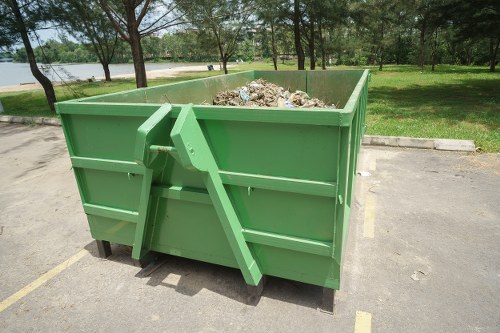
Types of Construction Waste
Construction waste is broadly categorized into:
- Builders’ Waste: Includes materials like bricks, concrete, and wood.
- Demolition Waste: Generated during the demolition of structures, including metals and glass.
- Hazardous Waste: Such as asbestos, lead-based paints, and chemicals.
- Green Waste: Organic materials like garden trimmings and soil.
Properly categorizing waste helps in determining the appropriate disposal methods, ensuring compliance with environmental regulations, and enhancing recycling efforts.
Recycling construction waste not only conserves natural resources but also reduces the burden on landfills. Materials like metal and wood can be repurposed, while concrete can be crushed and reused in new construction projects.

Local Regulations in Alperton
Alperton has specific regulations governing construction waste disposal to protect the environment and public health. These regulations mandate the separation of waste streams at the source, ensuring that recyclable and hazardous materials are handled appropriately.
Construction companies must obtain permits for waste disposal and adhere to guidelines set by local authorities. Non-compliance can result in hefty fines and legal repercussions.
Staying updated with the latest regulations is essential for construction businesses to operate smoothly and sustainably in Alperton.
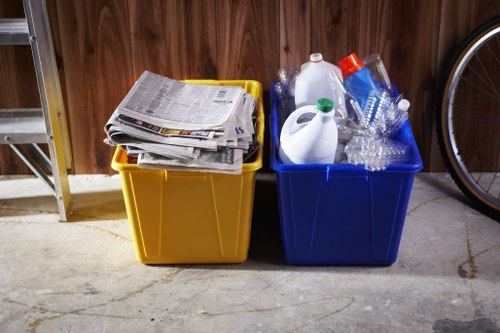
Waste Disposal Methods
There are several methods for disposing of construction waste in Alperton:
- Landfill Disposal: Suitable for non-recyclable waste but should be minimized.
- Recycling: Reprocessing materials like metal, wood, and concrete for reuse.
- Incineration: Used for hazardous waste to reduce volume and neutralize toxins.
- Composting: Organic waste can be composted for use in landscaping.
Choosing the right disposal method depends on the type of waste and its potential for recycling or reuse. Combining multiple methods can enhance overall waste management efficiency.
Implementing these methods requires coordination with local waste management services and recycling facilities in Alperton.

Recycling Initiatives
Alperton is home to several recycling centers that facilitate the processing of construction waste. These centers accept various materials and provide services like sorting, processing, and repurposing waste.
- Metal Recycling: Metals such as steel and aluminum are highly recyclable and retain their properties indefinitely.
- Wood Recycling: Untreated wood can be reused in new construction projects or processed into wood chips for landscaping.
- Concrete Recycling: Crushed concrete is used as a base material for new construction or as fill in landscaping projects.
Participating in local recycling initiatives not only supports environmental sustainability but also reduces disposal costs for construction projects.
Encouraging workers to segregate waste on-site can enhance the efficiency of recycling efforts and ensure compliance with local regulations.
Hazardous Waste Management
Managing hazardous construction waste requires stringent protocols to prevent environmental contamination and protect public health.
Substances like asbestos, lead-based paints, and chemical solvents must be handled by specialized disposal services. Improper handling of these materials can lead to severe legal consequences and environmental damage.
Construction companies should conduct thorough assessments to identify hazardous materials and develop comprehensive disposal plans in collaboration with certified waste management providers.
Contact us today to ensure your construction project in Alperton adheres to the best waste disposal practices.