Health and Safety Policy for Skip Hire Alperton
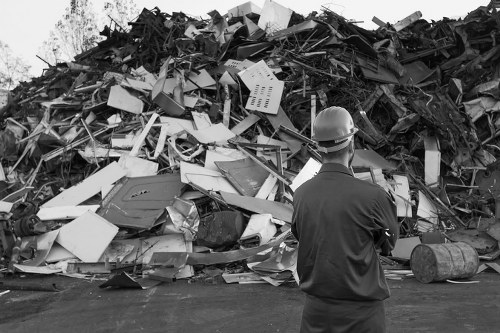 This Health and Safety Policy sets out the commitments and procedures for skip hire and rubbish collection operations to ensure the safety of staff, clients, contractors and the public. The policy applies to all aspects of our skip hire, waste removal and on-site rubbish collection services. Its purpose is to manage risks proactively, reduce accidents and maintain compliance with best practice for a professional rubbish company service area environment.
Our approach is built around clear responsibilities, robust controls and continuous improvement. The policy covers the full lifecycle of skip hire services: booking and delivery, on-site placement, loading and compacting of waste, transport and disposal of materials, and post-service site checks. All staff and contractors are expected to follow these procedures and use the protective equipment and tools provided. Key aims include preventing injury, mitigating environmental harm and protecting public access when a skip is in place.

Scope and Key Commitments
This policy is relevant to every employee, sub-contractor and operational partner engaged in skip hire, waste hauling, or rubbish clearance activity. Our core commitments include:- Ensuring safe working systems and safe vehicle operations;
- Providing appropriate training and supervision for all roles;
- Conducting risk assessments before work begins and when conditions change;
- Reporting, investigating and learning from incidents and near misses;
- Maintaining equipment to high standards and ensuring skips are secure and labelled.
Responsibilities and Roles
Management holds ultimate responsibility for the implementation and review of this health and safety policy. Managers and supervisors are tasked with risk assessment, programme monitoring and ensuring staff competence. Drivers and operative teams must follow safe systems of work, adhere to load limits and use manual handling techniques to reduce strain injuries. All employees have a duty to cooperate with safety directives and to report hazards without delay.Specific responsibilities include the following list of actions to be taken by role:
- Senior management: allocate resources, review policy, engage with stakeholders;
- Operations supervisors: ensure route planning, safe placement of skips, and pre-shift briefings;
- Drivers and operatives: follow inspection checklists, secure loads, wear PPE and avoid overloading;
- Contractors: comply with site rules, provide method statements and demonstrate insurance and competence.
Risk Assessment, Controls and Safe Systems
Before any skip is placed, a site risk assessment must be completed to identify hazards such as underground services, pedestrian access, traffic flow and unstable ground. Control measures include setting exclusion zones, using wheel chocks, employing reflective signage and ensuring proper lighting for evening work. Our rubbish business uses safe lifting aids where possible and enforces stacking and loading standards to prevent falls and falling objects. Mechanical handling should be used for heavy items and team lifts must follow manual handling guidance.
Vehicle and Driver Safety
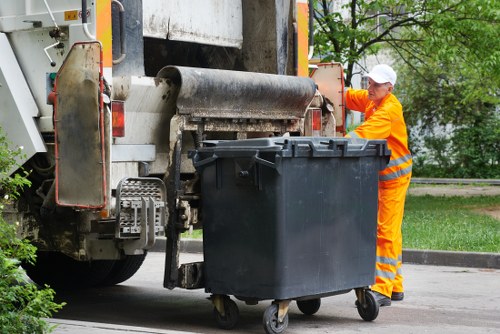
Vehicles used for skip delivery and collection are maintained according to a planned schedule and are subject to pre-shift checks. Drivers must follow route risk assessments, avoid obstructions and consider pedestrian safety during manoeuvring. All vehicles carry spill kits and fire extinguishers where appropriate. Loading and unloading procedures aim to minimise time spent on the highway and to control dust and debris that may present slip or respiratory hazards.Personal protective equipment (PPE) is provided and mandatory where hazards exist. PPE includes high-visibility clothing, gloves suitable for waste handling, eye protection and safety boots. Respiratory protective equipment will be provided when dust, odour or hazardous substances are present. Training is delivered in the use, care and disposal of PPE to ensure protection is effective.
 Emergency procedures are in place for accidents, spillages and fires. All operatives receive training on first aid response, communications and emergency contacts relevant to the incident. Incidents must be reported using the internal reporting system, investigated promptly and corrective actions identified. Records of incidents, near-misses and maintenance checks are kept to support continual improvement and risk reduction.
Hazardous Waste and Environmental Controls
This rubbish company service area recognises the special risks associated with hazardous wastes. Items such as batteries, solvents, asbestos, fluorescent tubes and certain chemicals require segregation, secure containment and specialist disposal routes. Staff receive training to identify hazardous materials and the procedure for isolating and reporting them. Environmental control measures include spill containment, secure load covers and prevention of run-off into drains.Contractors and clients are informed of prohibited materials and instructed on packaging and labelling requirements. We commit to recycling and resource recovery wherever practical, reducing the quantity of waste sent to landfill and minimising environmental impact from our skip hire and waste management services. Regular audits and service reviews help ensure environmental compliance and best practice in waste handling.
Training, Monitoring and Review
Ongoing training, supervision and competency checks are integral to the policy. Training topics include manual handling, vehicle safety, hazardous material recognition and incident response. Performance is monitored through toolbox talks, safety observations, audits and periodic reviews of risk assessments. This policy is reviewed annually or following significant change, incident or regulatory update to ensure it remains effective and applicable to all skip hire and rubbish removal activities.In summary, the Health and Safety Policy for skip hire and rubbish removal service areas focuses on clear leadership, competent staff, controlled operations and continuous improvement. By following the procedures and responsibilities set out here, the organisation aims to protect people, property and the environment while delivering a reliable, safe skip hire service.